
 Good morning! Dr. Kelly here. How well are you digesting your food?
You may think you are getting reflux from high acid, but it could be that you are not digesting your food.
When your body isn’t digesting food properly, it can lead to a variety of uncomfortable and sometimes serious symptoms.
Here are common signs and symptoms of poor digestion:
1. Bloating and Gas
2. Heartburn or Acid Reflux – may result from low stomach acid (not high, as often assumed)
3. Constipation or Diarrhea
4. Undigested Food in Stool
5. Fatigue After Meals
6. Nausea or Upset Stomach – may indicate enzyme deficiency or poor bile flow
7. Bad Breath (Halitosis) – can result from food fermenting in the stomach or intestines. Bad breath is also a sign of gut microbial imbalance or poor stomach acid levels
8. Nutrient Deficiencies
- Low levels of iron, B12, magnesium, or vitamin D
- Even with a good diet, poor digestion can block absorption!
9. Skin Issues
10. Brain Fog or Mood Changes
11. Weight Loss or Weight Gain
What Might Be Causing Poor Digestion?
- Low stomach acid (hypochlorhydria)
- Enzyme deficiency (e.g., due to aging or pancreatic issues)
- Leaky gut or intestinal inflammation
- Gut dysbiosis (imbalance of gut bacteria)
- Food intolerances (like gluten or dairy)
- Stress, which reduces digestive function
Your digestion starts in your mouth. 30 chews per bite before you swallow!
In your stomach the acid and enzymes start to break down the food into nutrients you can absorb.
Carbs, proteins and fats into sugars, amino acids and fatty acids.
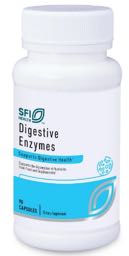 Key Digestive Enzymes
1. Amylase - Begins carbohydrate digestion in the saliva.
2. Protease - Breaks down proteins into peptides and amino acids.
3. Lipase - Assists in fat digestion.
In the stomach, hydrochloric acid (HCl) plays a vital role. It activates pepsin, a protease that digests proteins, and helps maintain a highly acidic environment (pH of 1.5-3.5), which is essential for killing harmful bacteria and breaking down food efficiently.
Low stomach acid, a condition known as hypochlorhydria, can lead to poor digestion, nutrient deficiencies (especially B12, iron, and calcium), and overgrowth of harmful bacteria in the gut. It is often misdiagnosed as high acid due to similar symptoms such as heartburn and reflux.
When the digestive tract becomes irritated or inflamed—due to poor diet, stress, medications, or infections—healing the gut lining becomes essential. Several herbs have traditionally been used for their soothing and reparative properties.
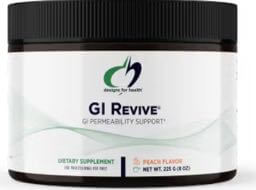
1. Marshmallow Root - coats and soothes the gut lining. It can help reduce inflammation, protect against ulcers, and relieve symptoms like heartburn, constipation, and leaky gut. It’s especially useful in calming the mucous membranes of the digestive tract.
2. Slippery Elm - coats the esophagus and stomach. It can help relieve pain and inflammation caused by acid reflux, ulcers, and IBS. It also promotes mucus secretion, which supports a protective barrier in the gut lining.
3. DGL (Deglycyrrhizinated Licorice) - is a form of licorice root that has had the glycyrrhizin removed to avoid side effects like high blood pressure. It helps increase mucus production in the stomach, protecting the gut lining from acid damage and encouraging healing. It’s commonly used for treating ulcers, GERD, and gastritis.
Get Started Today
You can reach out by responding to this blog or text us DIGESTION if you want to schedule an appointment with Dr. Kelly to discuss your digestion. Even better, ask me about it at your next visit.
CONTACT US
Yours in Health Naturally,
Dr. Kelly